Earthquake-safe houses in Nainital district: what Seismic Zone IV means for your build
Nainital district is in Seismic Zone IV. What that means for a house in Bhimtal, Bhowali or Nainital, the codes that apply, and what to check on site.
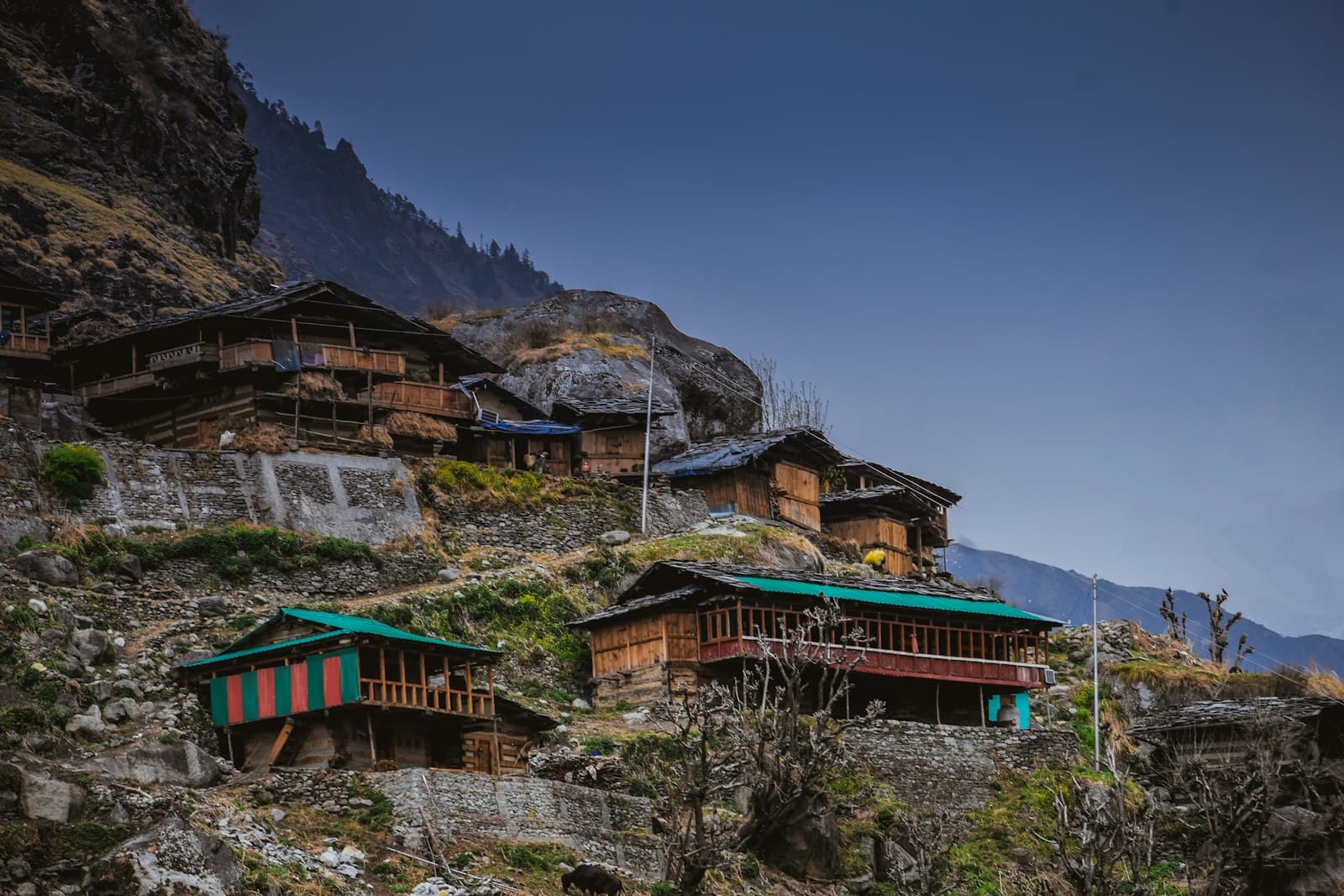
The whole of Uttarakhand sits in the Himalayan belt, one of the most earthquake-prone regions in the country. For a family building in Bhimtal, Bhowali, Nainital or Mukteshwar, earthquake safety is not a special feature; it is part of building properly.
Which seismic zone is Nainital in?
Under the Indian standard IS 1893 (Part 1):2016, Nainital district is in Seismic Zone IV, while districts further north such as Pithoragarh and Chamoli are largely in Zone V, the highest. In late 2025 the Bureau of Indian Standards published a revised code that placed the entire Himalayan arc in a new Zone VI, but it was withdrawn by a gazette notification in March 2026 and the 2016 standard restored. Whichever map you look at, the message for this region is the same: design for strong shaking.
The codes that apply
- IS 1893: the earthquake forces a building must be designed for.
- IS 13920: ductile detailing of reinforced concrete, so beams and columns bend without breaking.
- IS 4326: earthquake-resistant construction of masonry buildings, including bands and corner reinforcement.
- IS 13935: assessing, repairing and strengthening existing buildings.
What makes houses weak in an earthquake
- An open ground floor (parking or shops on columns) under solid floors above: the ‘soft storey’ collapses first.
- Short columns: on a slope, columns of different heights at the same floor. The short ones take most of the force and crack.
- Irregular shapes, heavy overhangs and large cantilevered balconies.
- Heavy water tanks placed high on the roof.
- Poor joints: too few stirrups, 90° hooks, laps in the wrong place.
- Unreinforced masonry without bands at plinth, lintel and roof level.
Hill sites add their own risks
Buildings stepped down a slope are naturally irregular, with foundations at different levels and columns of different heights. They need careful structural design, not a plains design adapted on site. Earthquakes also trigger landslides, so the slope and the retaining walls around the house matter as much as the house itself. See designing a house on a sloping plot.
What to check on site
- Stirrups bent to 135° hooks and placed closer together near beam-column joints.
- Column bars lapped in the middle of the column height, not at the floor.
- Concrete of the specified grade, properly compacted and cured.
- Cover blocks under and beside the steel, so it does not rust.
- In masonry buildings: continuous RCC bands at plinth, lintel and roof level, and reinforcement at corners.
- A simple, symmetric plan and a roof that is not heavier than it needs to be.
Lessons from traditional houses
Hill builders solved this long before the codes. The Koti Banal houses of the Yamuna valley, built with stone walls laced with timber beams, have stood for centuries through strong earthquakes. Kumaoni houses used the same idea of timber tying stone together. See what traditional hill houses teach us about cottage design.
Adding a floor to an old house
Many older houses around Nainital were built without structural design. Before adding a floor, get the existing columns, foundations and steel checked. A floor added on top of a weak structure raises the earthquake risk for the whole building, and it will also need a revised map approval.
Does it cost more?
Some. Proper detailing uses more steel and more labour at the joints. Compared with the total cost of the house, it is a small share, and it is the part you cannot add later. See what decides construction cost in Nainital and Bhimtal.
We build to the structural drawings and check reinforcement before every pour. See our building construction service.
Common questions
Which seismic zone is Nainital in?
Nainital district is in Seismic Zone IV under IS 1893 (Part 1):2016. Districts further north, such as Pithoragarh and Chamoli, are largely in Zone V.
Is Uttarakhand in Zone VI?
A revised code published in late 2025 placed the Himalayan arc in a new Zone VI, but it was withdrawn in March 2026 and the 2016 zoning restored. Uttarakhand remains in Zones IV and V under the standard in force.
Does earthquake-resistant design cost much more?
It adds some steel and labour, which is a small share of the total cost of a house, and it cannot be added once the structure is built.
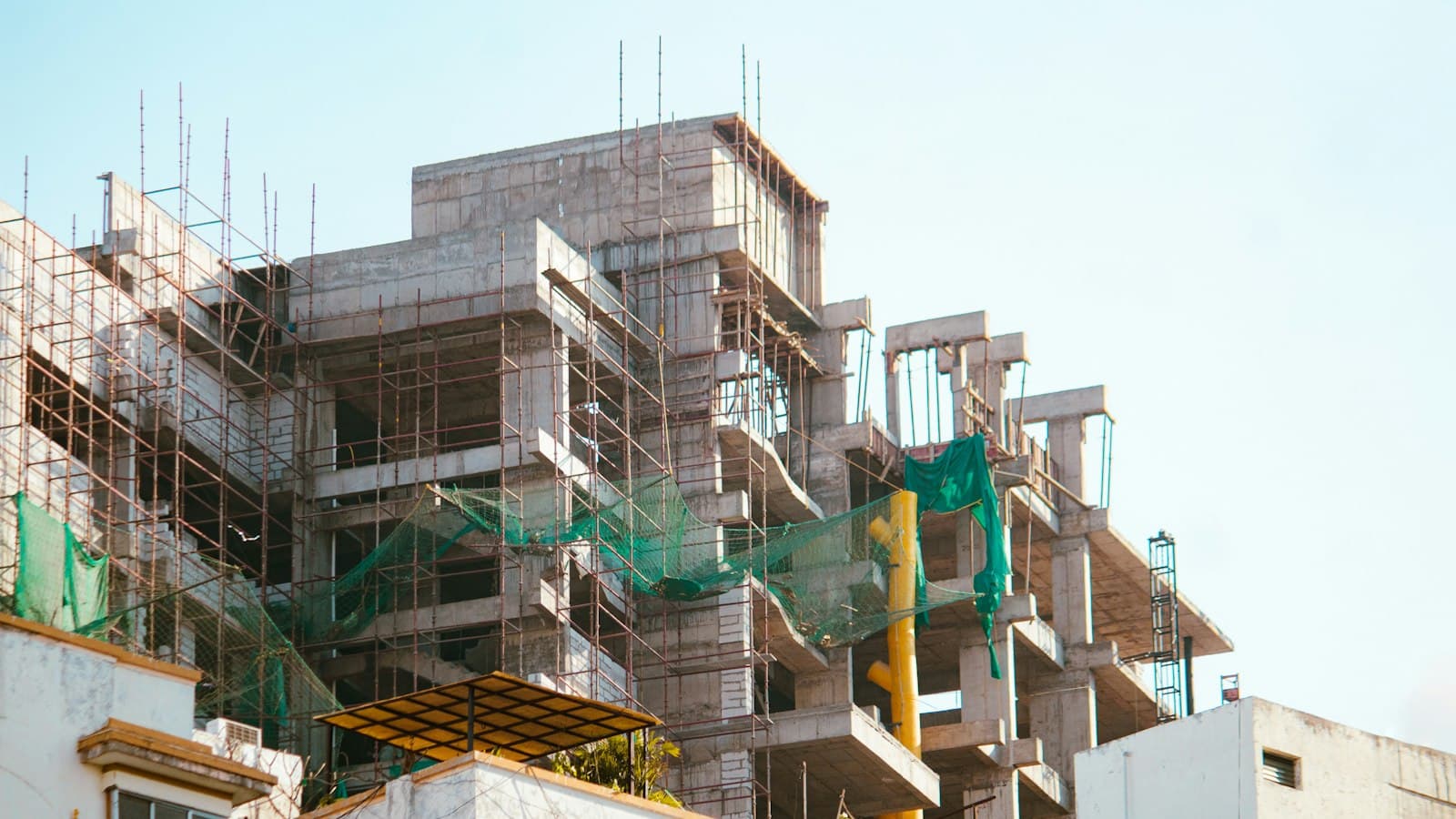 [S-02] Related serviceBuilding ConstructionHouses and buildings constructed on hill plots, from foundation to finishing.
Questions about your own plot?
Ask on WhatsApp